Rolls-Royce signs landmark Unity contract with UK Ministry of Defence
At the start of the year, Alliance partner Rolls-Royce signed the biggest UK Ministry of Defence (MoD) contract in its history.
The Unity contract stretches over eight years and brings together all elements of research and technology, design, manufacture and in-service support of the nuclear reactors that power the Royal Navy’s fleet of submarines. This contract between Rolls-Royce Submarines Ltd and the UK MoD, forms a single, harmonious capability portfolio.
Unity will enable improved focus on simplification and efficiency and better outcomes for the UK Royal Navy. It represents a significant undertaking and investment by the UK Government and industry, providing thousands of highly skilled jobs across the country and an enduring commitment for the decades ahead. This is truly a national endeavour.
Rolls-Royce designs, builds and maintains all of the nuclear reactors that power the Royal Navy’s fleet of submarines. This eight-year Unity contract is worth circa £9 billion and will provide full support of the in-service UK Royal Navy submarine fleet throughout the period. It also includes continued support of the build and commission of Dreadnought Class submarines and the beginning of the previously announced SSN-AUKUS contracts.
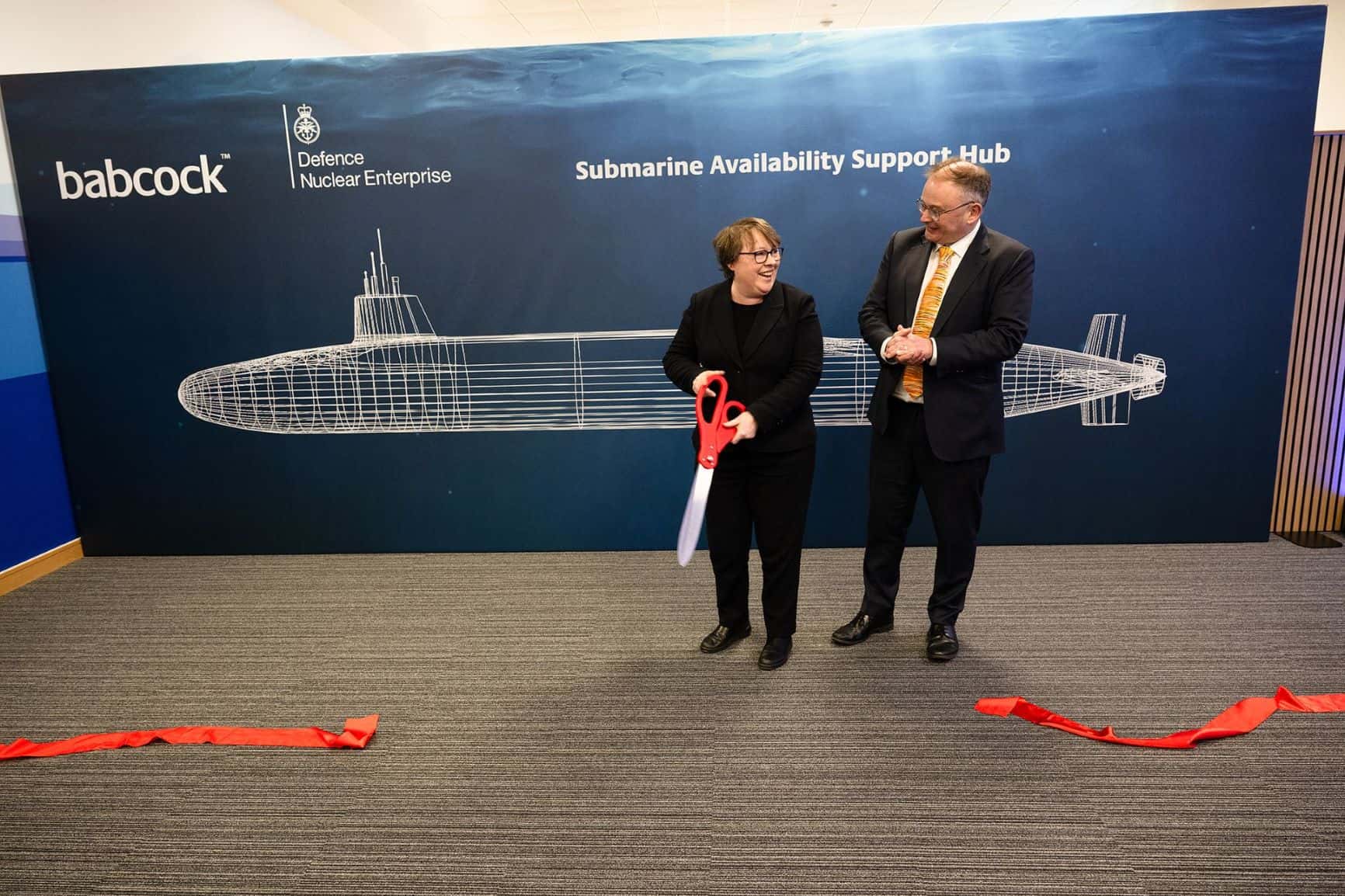
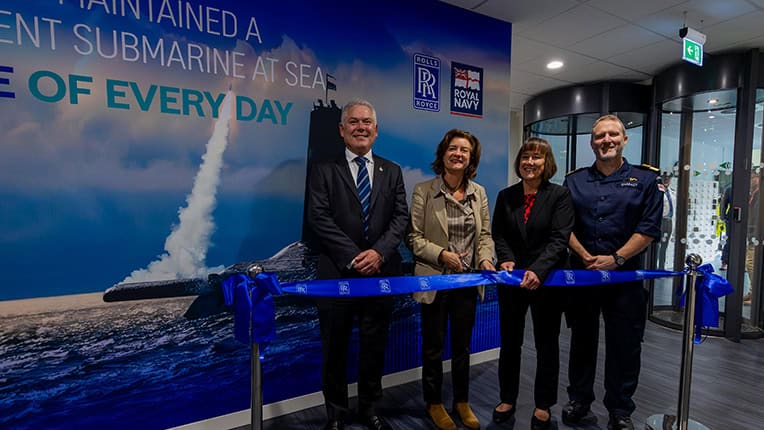
New submarine facility in Bristol opened by Defence Minister
In January, a new Submarine Availability Support Hub opened in Bristol; supporting 100 new jobs and boosting engineering capabilities.
Britain’s nuclear submarine patrols will be strengthened by the new hub that brings Government and industry closer together, creating jobs and supporting apprenticeships across the UK.
The Submarine Availability Support Hub (SASH) will improve submarine delivery and help maintain the continuous at-sea nuclear deterrent.
The facility will enable the Defence Nuclear Enterprise – the partnership of organisations that operate, maintain, renew and sustain the UK’s nuclear deterrent – to work together more seamlessly with Babcock and other contractors to drive better submarine availability and delivery.
This will be achieved through utilising cutting-edge digital and learning tools and drawing together technical and engineering expertise in a collaborative space.
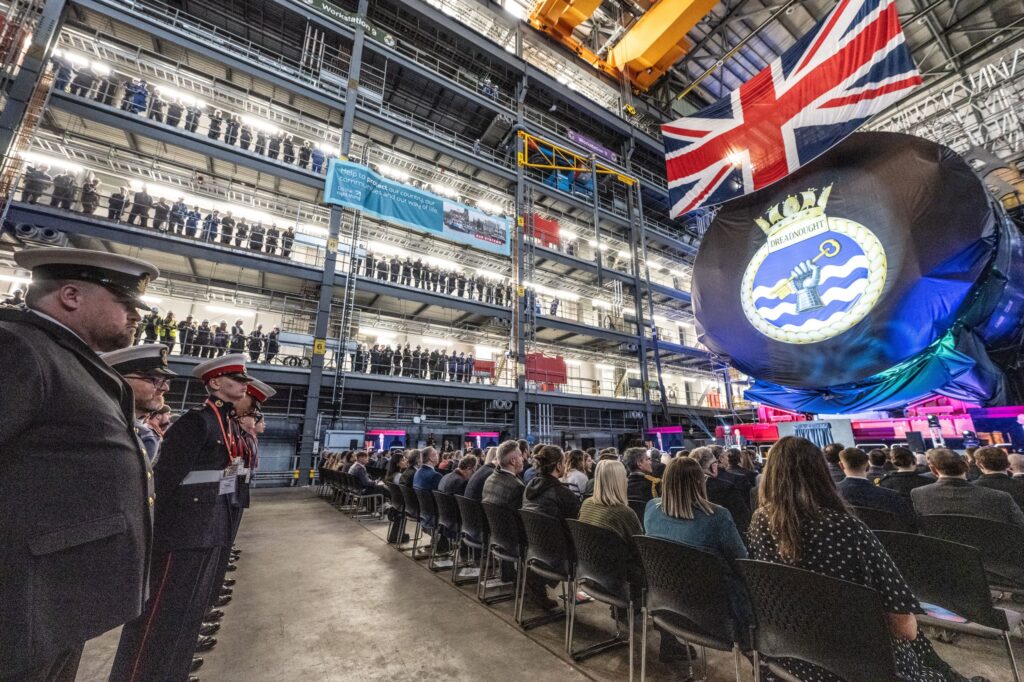
Major milestone marked with HMS Dreadnought keel laying ceremony
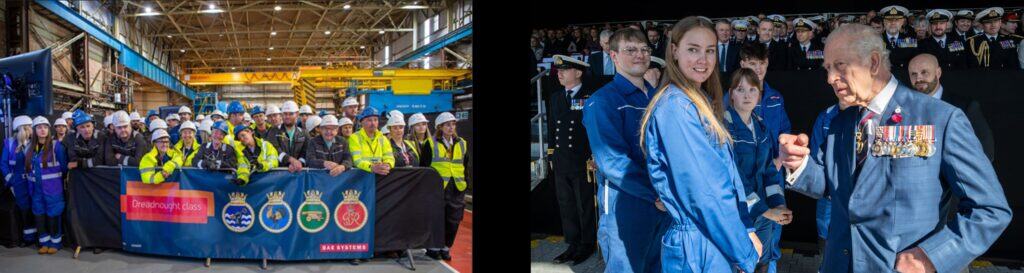
March delivered the official keel laying of HMS Dreadnought, in a ceremony at the BAE Systems shipyard in Barrow-in-Furness, attended by Prime Minister Sir Keir Starmer MP.
Local school children and cadets were among the 150 specially-invited guests celebrating the keel laying. Also attending were representatives from the Dreadnought Alliance, BAE Systems, Rolls-Royce, the Submarine Delivery Agency and the Royal Navy.
The event marked a hugely significant milestone in the build of the first-in-class for the Dreadnought ballistic missile submarine programme.
Although the build is already well advanced on HMS Dreadnought, keel laying is a centuries long tradition in the Royal Navy, marking the point that a vessel begins construction.
Boat building in Barrow makes massive moves forward
Throughout March, April and May, there was a number of major moves through the streets of Barrow as production on the Dreadnought submarine programme gathered pace.
A vast jig and steel structure made its journey to BAE Systems’ shipyard in Barrow-in-Furness, the home of UK submarine building.
The unit took its place on the Dreadnought build line as we continue construction of the next generation of deterrent submarines to support the Royal Navy.
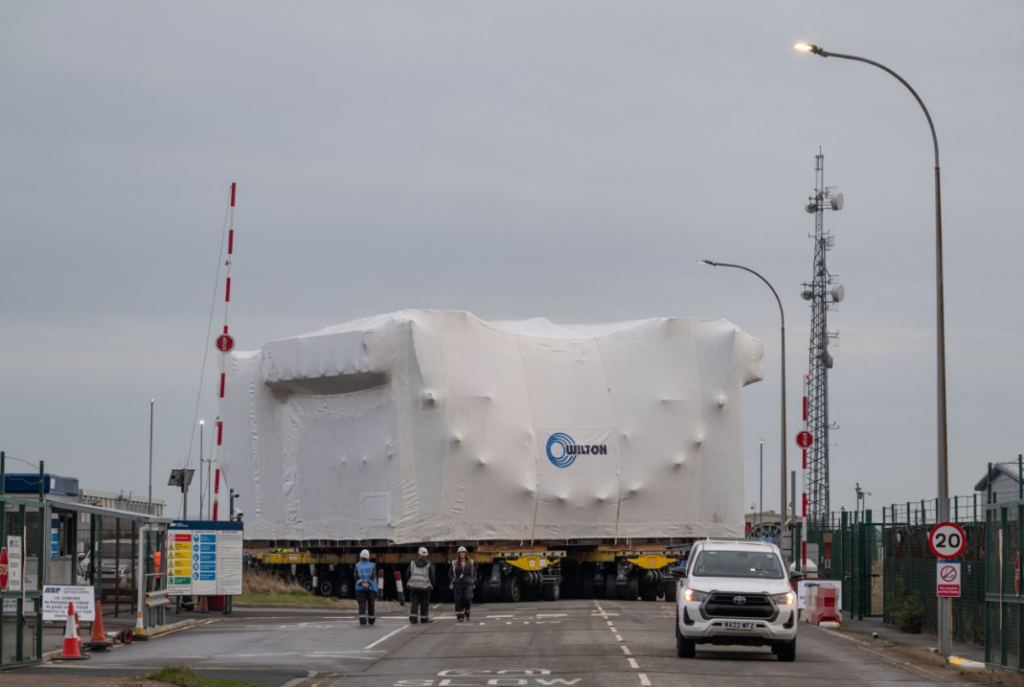
The colossal forward end unit of the new Dreadnought submarine was transported along a public road to the famous Devonshire Dock Hall build facility to be integrated with the other submarine sections.
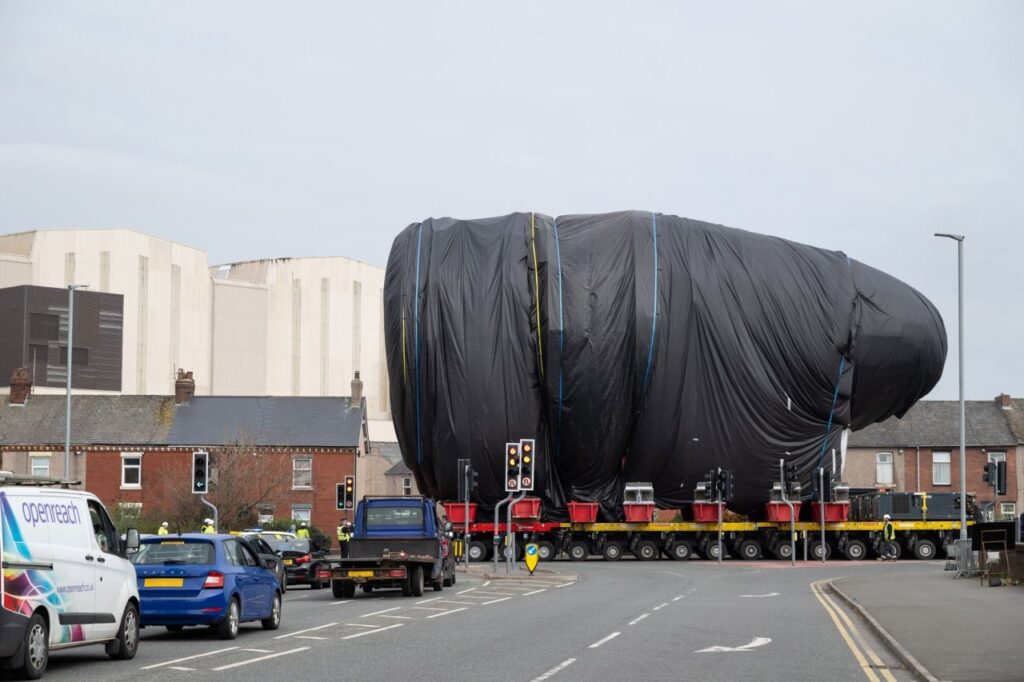
In April, two new large sections of the Dreadnought submarine were transported to BAE Systems’ Central Yard Facility in Barrow-in-Furness.
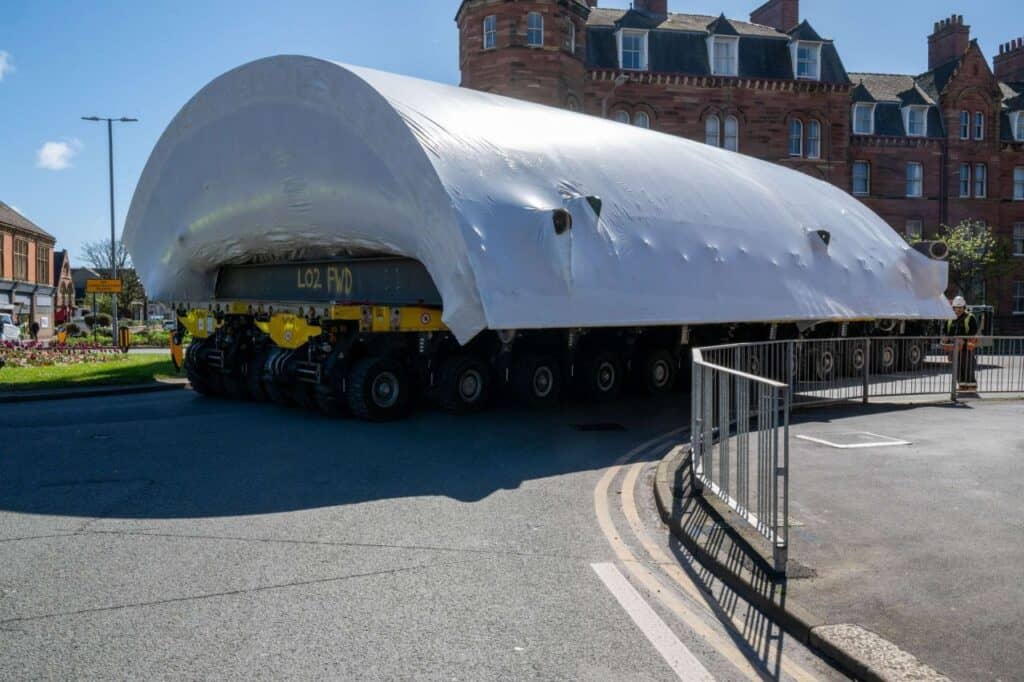
The following month, the streets in Barrow were paused for a special delivery that is unique to the town as a massive unit made its way to the Dreadnought production line.
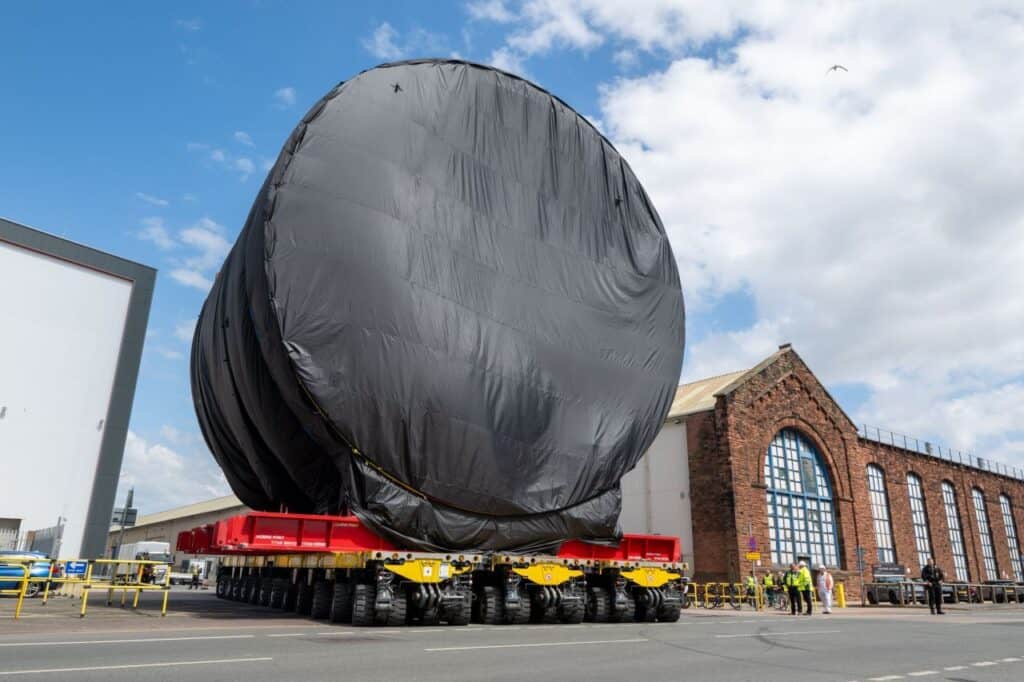
These are all proud moments for the Dreadnought Alliance and positive symbols of the progress we're making in our national endeavour to support delivery of the Continuous At Sea Deterrent (CASD).
UK to expand submarine programme in response to Strategic Defence Review
In June, the Prime Minister announced that the UK’s conventionally armed, nuclear-powered submarine fleet will be significantly expanded, with up to 12 new SSN-AUKUS boats to be built.
The increase in submarines will transform the UK’s submarine building industry. It will deliver on the government’s Plan for Change, supporting 30,000 highly skilled jobs up-and-down the country well into the 2030s, as well as helping work to deliver 30,000 apprenticeships and 14,000 graduate roles across the next ten years.

The UK Government is also securing the future of the Royal Navy’s Continuous At Sea Nuclear Deterrent, backed by a £15 billion investment into the sovereign warhead programme in this parliament and supporting more than 9,000 jobs.
It is further evidence of the Government’s triple lock commitment to the nuclear deterrent: to maintain our continuous at-sea deterrent; to build the new fleet of Dreadnought submarines; and to deliver all future upgrades necessary.
Both the UK’s sovereign warhead programme and the UK’s conventionally-armed submarine fleet will make Britain and NATO safe for decades to come.
Another milestone moment in Barrow for Dreadnought!
A major unit move on the Dreadnought Programme in July was a powerful sign of the progress that we are making on this vital national endeavour.
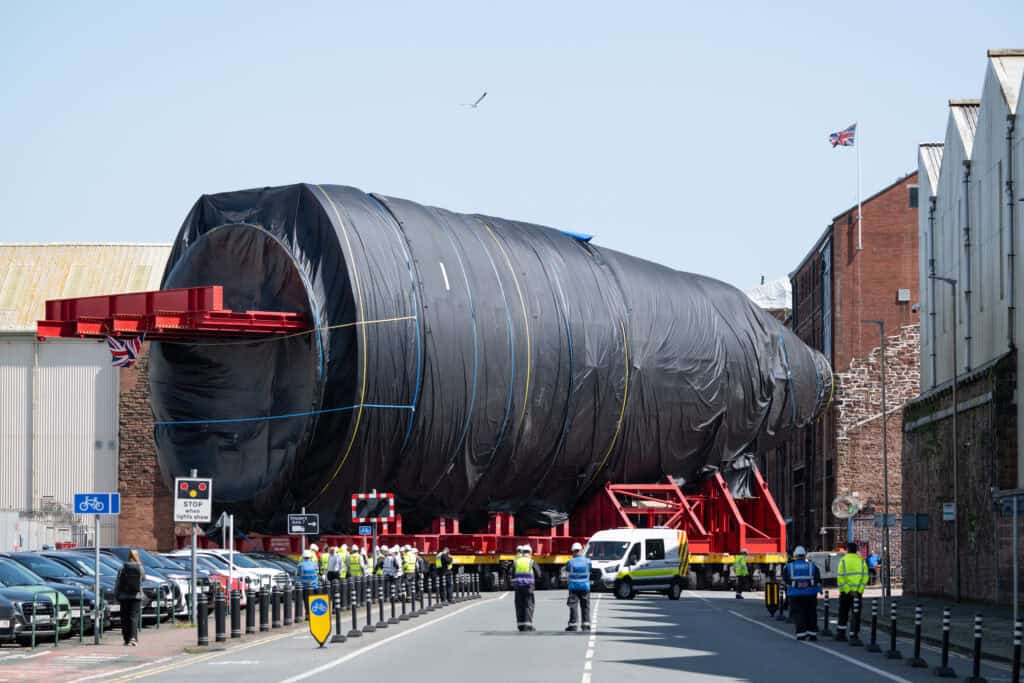
The massive unit is part of the Dreadnought Alliance's submarine programme with four boats scheduled to be delivered to the Royal Navy; working together with BAE Systems, Rolls-Royce and the Submarine Delivery Agency.
Due to begin entering service in the early 2030s, the four Dreadnought Class submarines will replace the Vanguard Class submarines in carrying the UK's independent nuclear deterrent. The overall Dreadnought Programme is expected to support in the region of 30,000 jobs across the UK over the life of the programme.
HMS King George VI submarine construction underway
Monday 22 September was a historic day for all in Barrow with the steel being cut for HMS King George VI, the last of the four Dreadnought submarines that will be built for the Royal Navy.
Secretary of State for Defence, John Healey, cut the first steel for HMS King George VI, officially starting its construction which BAE Systems is building in partnership with the wider Defence Nuclear Enterprise.

The day also saw His Majesty King Charles III visit BAE Systems in Barrow-in-Furness to welcome the country's newest attack submarine, HMS Agamemnon into the Royal Navy. The King then visited the Town Hall in Barrow to bestow the Royal Port status on the town in honour of its 120-year history as the home of UK submarine construction.
The Dreadnought submarines, due to enter service from the early 2030s, are the replacement for the Vanguard-class submarines, which currently deliver the Continuous At Sea Deterrent (CASD) for the Royal Navy. The critical role underpins the nation’s defence as the ultimate security guarantee and sees at least one of the boats deployed in an unknown location at sea every day, of every year.
First Minister for Wales opens new Rolls-Royce office in Cardiff
Rolls-Royce Submarines celebrated the opening of a new office in Cardiff in October, creating more than 100 new jobs in the Welsh capital.
Opened by First Minister Eluned Morgan and Rt Hon Jo Stevens, MP for Cardiff East, the new office based in St Mellon’s Cardiff has been selected to access the highly skilled talent pools across the region.
With a renewed interest and enthusiasm for nuclear across the UK and government, alongside Rolls-Royce Submarines’ growth in demand from the Ministry of Defence, the business intends to attract experts across a range of specialisms. These include mechanical design, materials engineering, structural integrity analysis, thermal analysis and fluid dynamics.
Funded by the UK Ministry of Defence, the office will support Rolls-Royce Submarines’ and the Submarine Delivery Agency's work on the Dreadnought and AUKUS programmes. The investment demonstrates the government's commitment to delivering the UK's nuclear deterrent as a national endeavour, led by the Defence Nuclear Enterprise.
The challenge of a generation
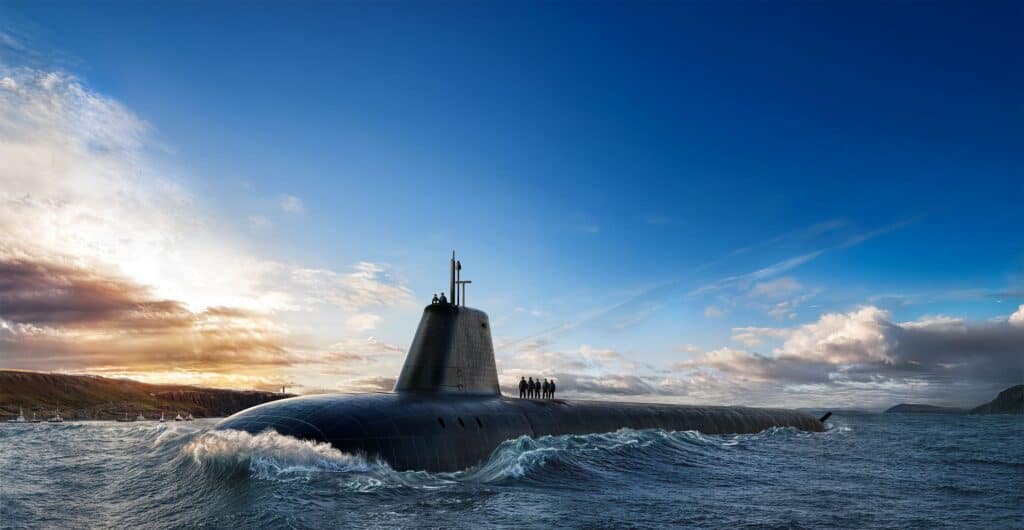
The Dreadnought Class will be one of the most complex machines ever built and it will operate in one of the most hostile environments on the planet.
As the largest Class of submarine ever built for the Royal Navy, each will boast 26.4 miles of pipework and more than 20,000 cables stretching 215 miles – further than traveling between London and Leeds.
The four Dreadnought Class submarines, each the length of three Olympic swimming pools, will maintain the Continuous at Sea Deterrent (CASD), responsible for safeguarding our national security and way of life, for as long as the international security situation makes it necessary. The Dreadnought Programme is a truly incredible national endeavour.